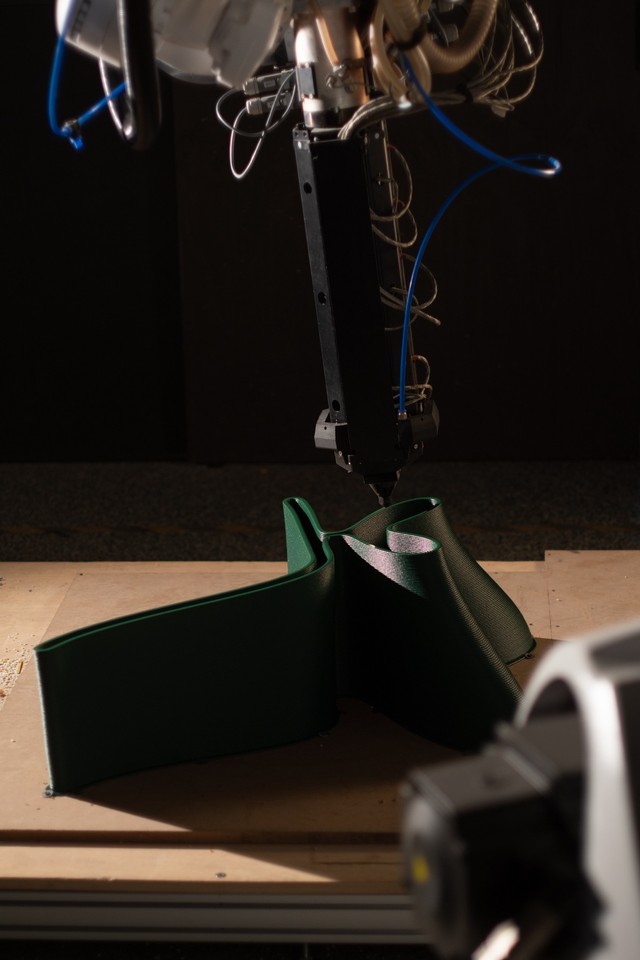
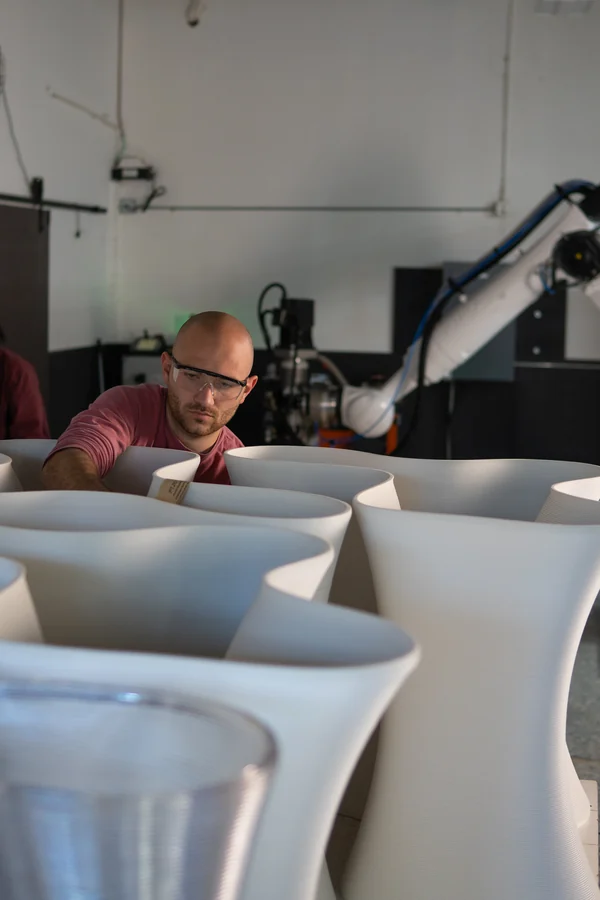
From our New Jersey studio, Decibel develops and manufactures large-scale 3D-printed furniture for brands, original equipment manufacturers (OEMs) and product teams. Bring a brief, CAD model or prototype; we’ll scope development, physical samples, finishing and planned production.
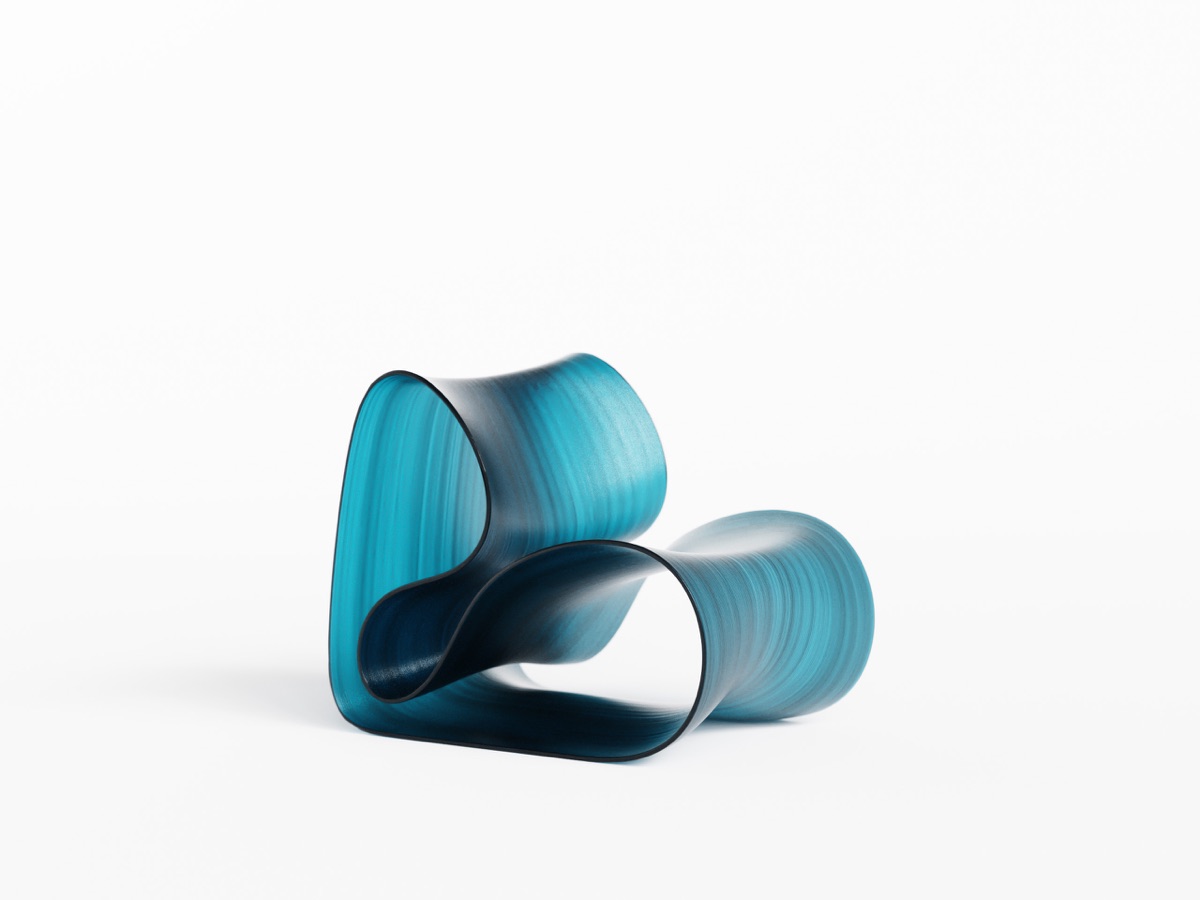
Baja Club Chair / Manufactured by Decibel for Tenjam.
Furniture contract manufacturing / Tenjam
Baja.
A product family, made to repeat.
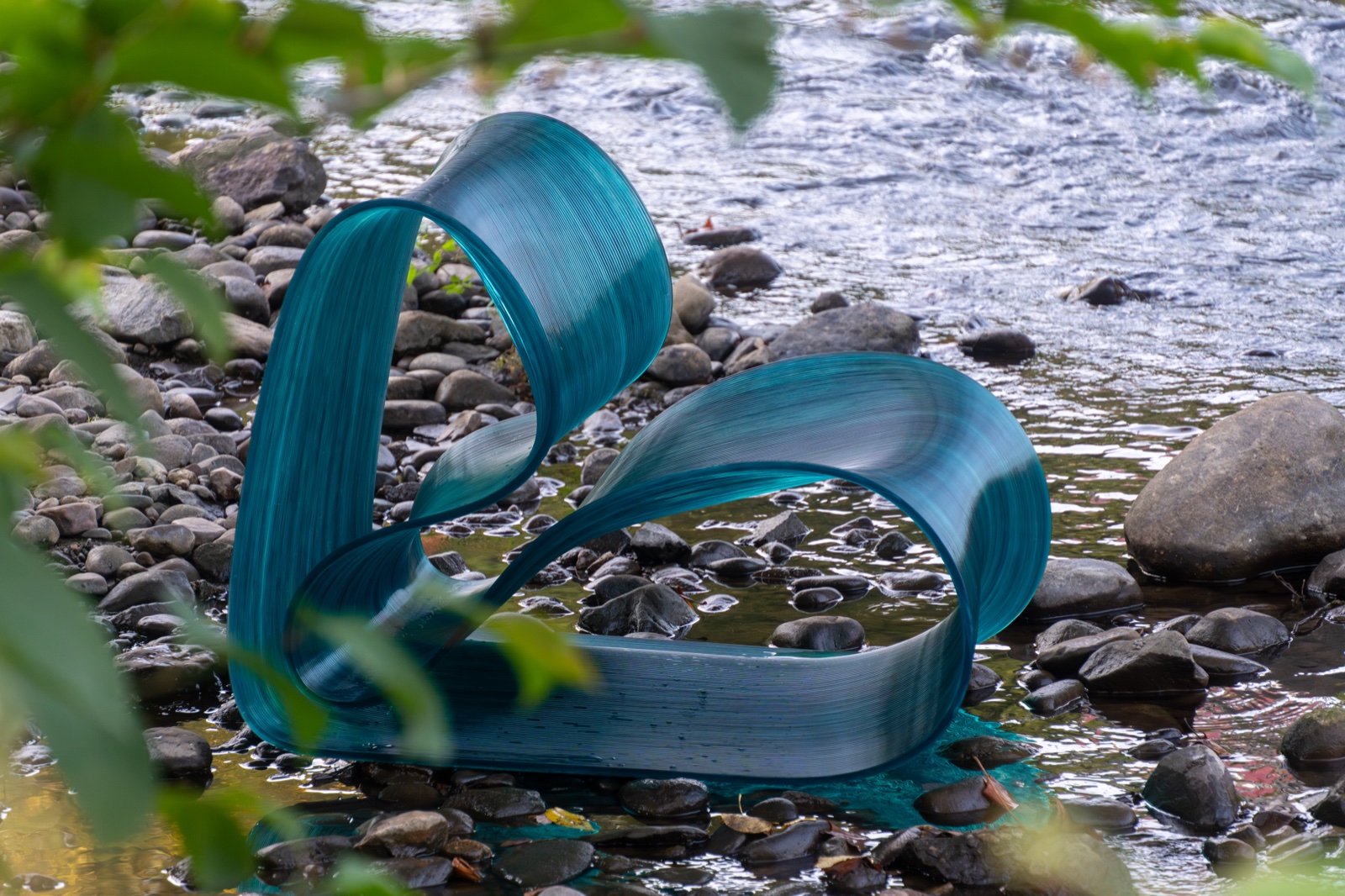
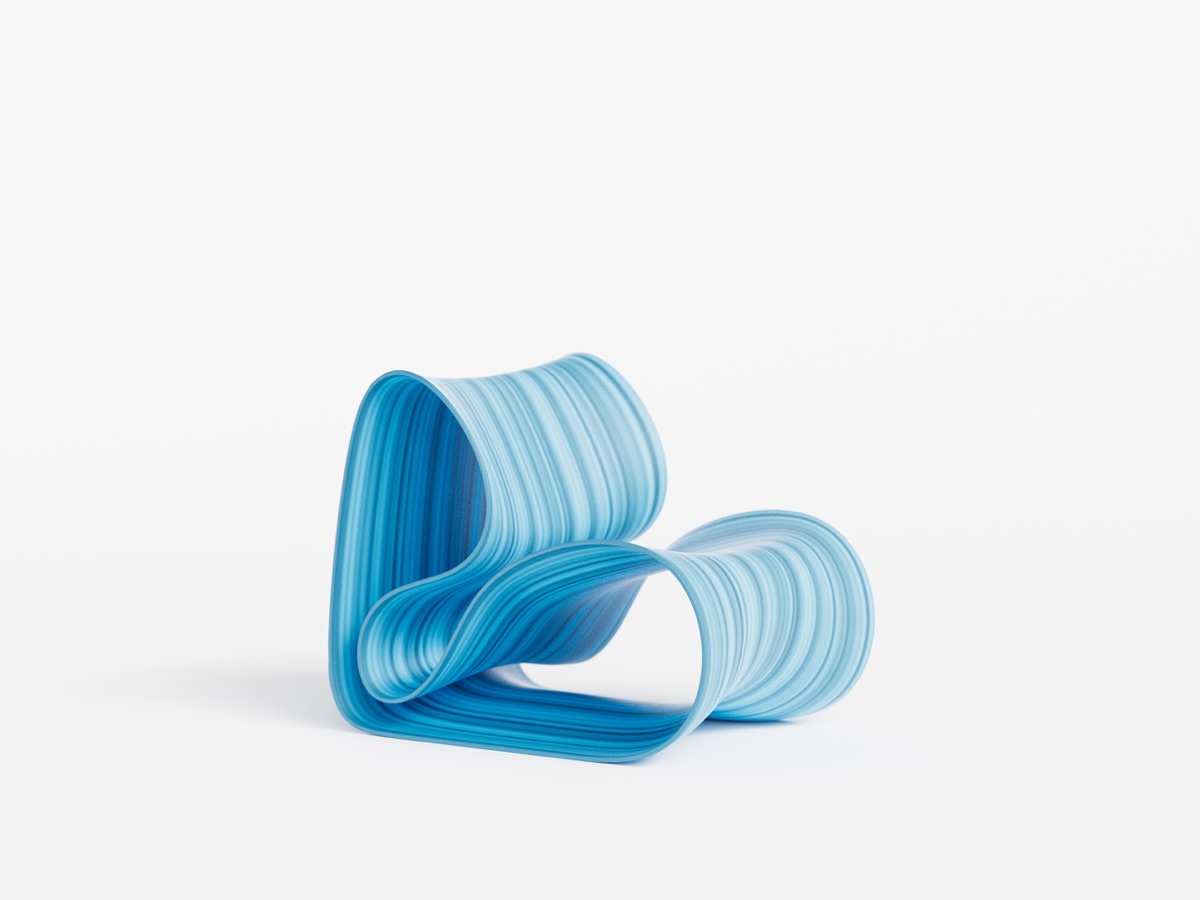
Decibel manufactures Tenjam’s Baja collection: two sculptural chairs, a coffee table, and a side table that doubles as a stool. Translucent and opaque finishes give each form its own character.
Translucent blue Development renderingOpaque white & blue Development rendering
From design to production
From brief to batch.
Resolve the design, approve a physical reference, then agree what goes into production.
Material sampling.01 / Brief & samples
Define the product.
Review intended use, dimensions, appearance and quantities. Use physical samples to establish material and finish direction.
Geometry & toolpaths.02 / Prototype
Build it. Refine it.
Resolve print orientation, connections, touch points and assembly. Check a prototype and agree any performance validation before release.
Hands-on finishing.03 / Production
Release a clear scope.
Agree the design revision, variants, finish, quantity, acceptance criteria, packaging and timing. Include testing and secondary work in the plan.
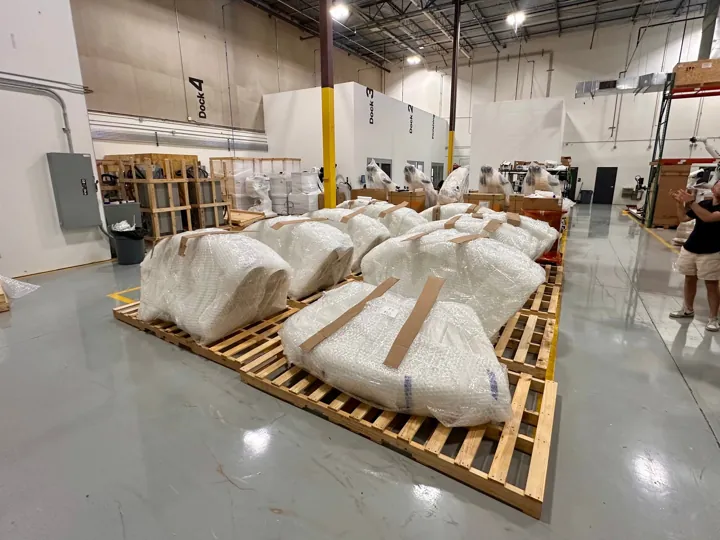
For SKYLRK’s Coachella seating, Decibel and Caracol coordinated 30 custom benches, resolving modular fabrication, handling and assembly together. This project is an example, not a standard capacity or lead-time promise.
Stone-like glass-fiber-reinforced recycled PETG, wood-like plant-fiber-reinforced biopolymer and translucent recycled PETG offer different starting points. Review each against the geometry and intended use.
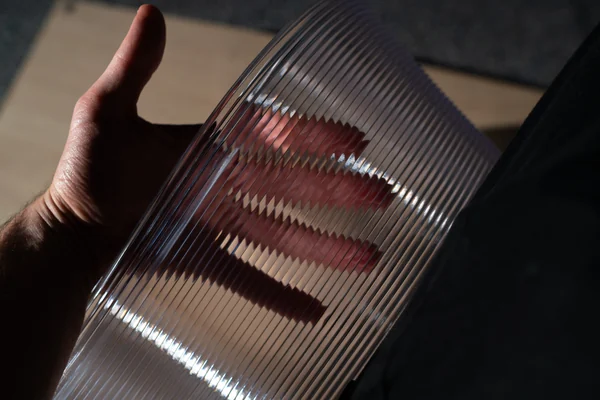
Samples establish color, sheen, translucency and texture. Agree where layers remain visible and where trimming or finishing is needed. Share load, cleaning, heat, sunlight, moisture and fire requirements early; agree evidence, tests and responsibilities before release. Recycled or bio-based content alone does not establish whole-life impact or a practical recovery route.
A prototype proves one piece. A pilot checks how that approved piece is made, finished, inspected and packed across a batch. Set its questions and acceptance criteria before choosing the quantity.
For reorders, retain the released files, variant list, physical references, critical dimensions and assembly details. Keep forecasts separate from confirmed orders; reconfirm materials, capacity and schedule for each batch.
A new size, material or finish may need further development, samples or validation. Review changes before the next run, even when no dedicated shape mold is needed.
Before we begin
Questions from product teams.
Can we start without a finished CAD model?+
Yes. Bring a brief, sketch, CAD model or existing prototype. Share dimensions, intended use and what is unresolved so development can be scoped before manufacturing.
What quantities fit Decibel Made?+
Made focuses on planned, low-to-medium-volume production. The practical batch depends on size, geometry, material, finish, variants and development needs. Share first-order and reorder estimates; no standard minimum is assumed.
Can the furniture carry our brand?+
Branding, labeling and packaging can be discussed within the production scope. Explain how the product will be presented and distributed, then agree those requirements before release.
What determines price and timing?+
The complete scope includes development, samples, any agreed testing, production, finishing, packing and delivery. Geometry and variant mix matter alongside quantity. The proposal establishes approvals and schedule for the specific product.
Can this process be used for outdoor or commercial furniture?+
Suitability depends on formulation, geometry and use. Share exposure, loads, cleaning and required performance criteria. Review available evidence and agree any validation needed; a previous project does not certify a new design.
Start a product program
Bring the product. Let’s define the next step.
What to send with your inquiry
The intended use, design stage, sketches or model, and critical dimensions.
Estimated quantities by model, size, color and finish, including possible later orders.
Appearance references, performance requirements and any existing test documentation.
Destination, handling or assembly constraints, target timing and approval milestones.