
About Decibel / New Jersey
Design and making,
kept close.
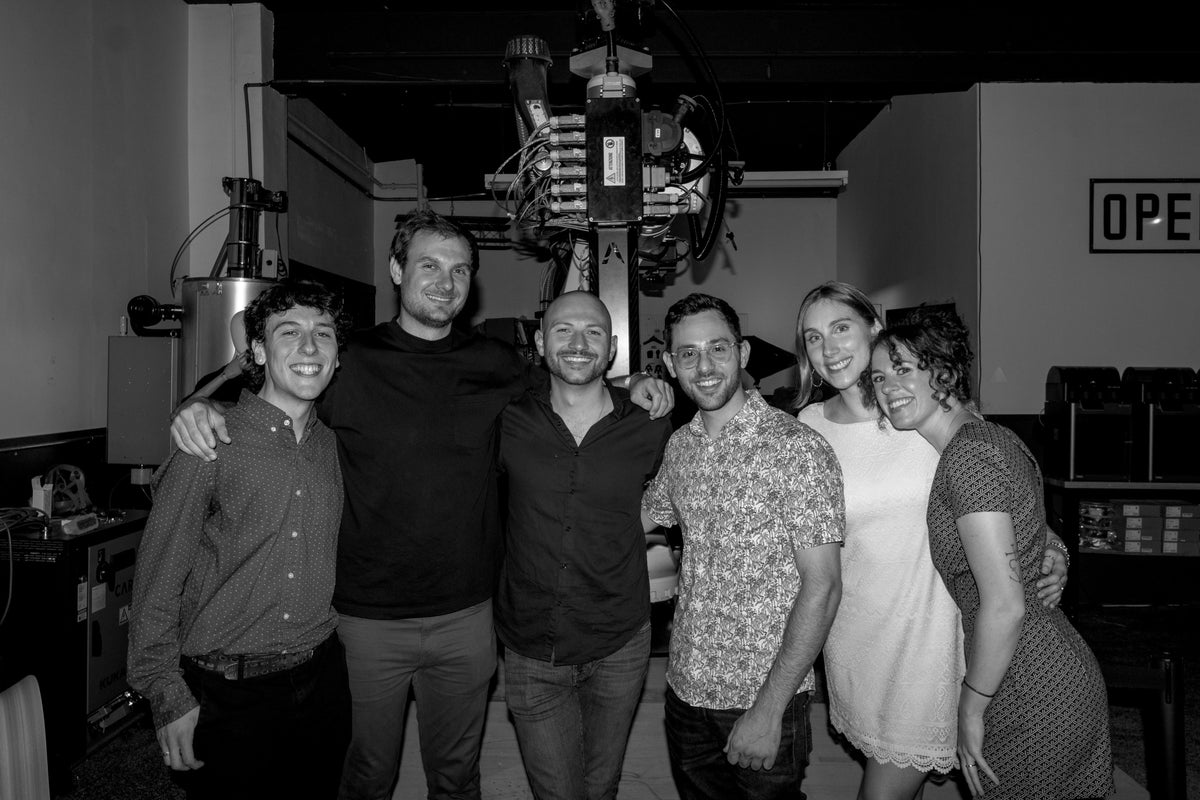
Decibel is a design and fabrication studio in Bloomingdale, New Jersey. We work with brands, architects, agencies, and designers to turn ambitious ideas into furniture, architectural elements, installations, and repeatable products.
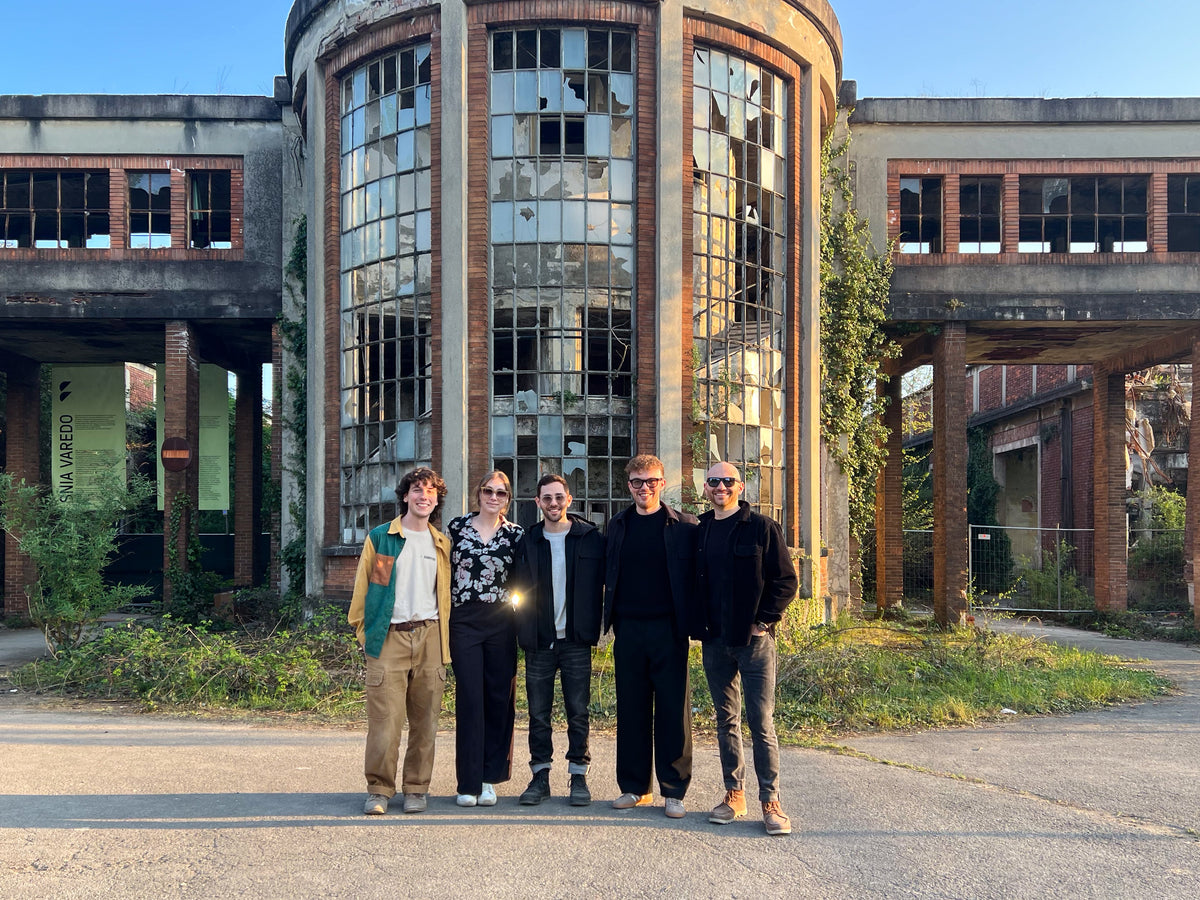
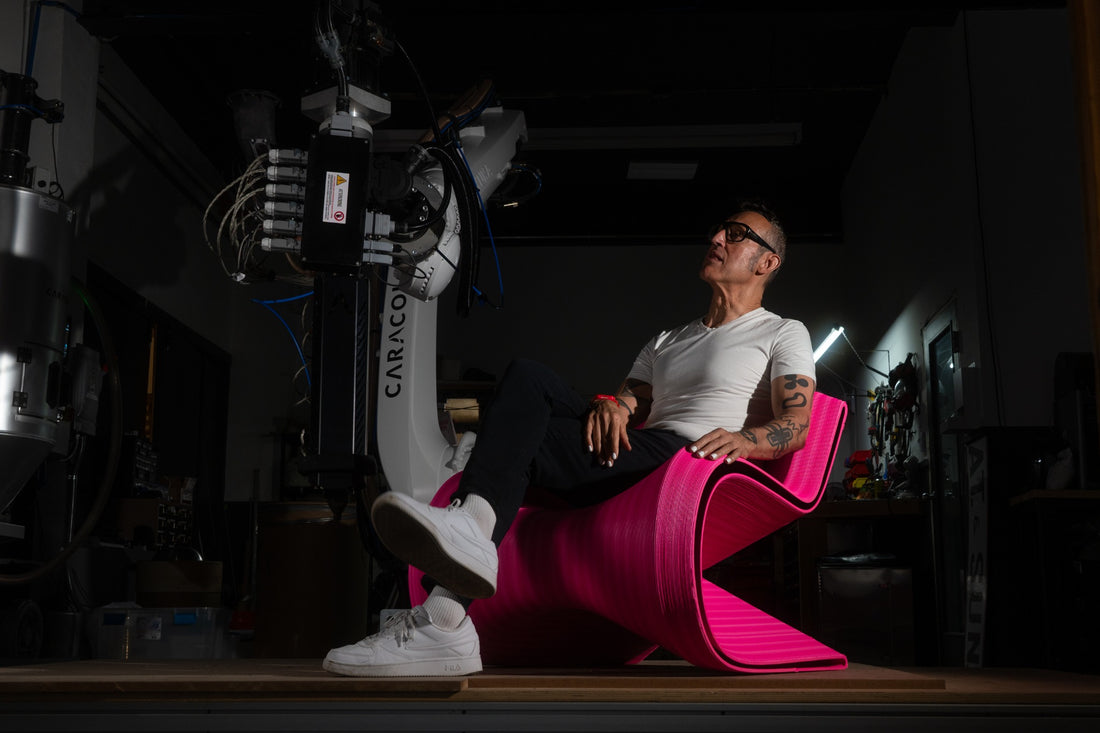
A small team for ambitious work
The idea gets stronger
when making stays close.
Design, engineering, material behavior, production, and installation are not separate conversations here. Keeping them connected helps us protect the intent of the work while solving the practical details that decide whether it succeeds at full scale.
That can mean resolving a one-off installation for a flagship, developing a signature object for a brand, or turning a validated concept into a repeatable production program.
Two ways to work with Decibel
Built for the site.
Made to repeat.
Some briefs belong to one place. Others need to become a product, a family, or a repeatable system. Built and Made give each type of work the right path.
Decibel Built
Site-specific fabrication.
Furniture, architectural elements, and installations developed around a particular space, audience, and moment—from design development through production and installation planning.
Explore Decibel Built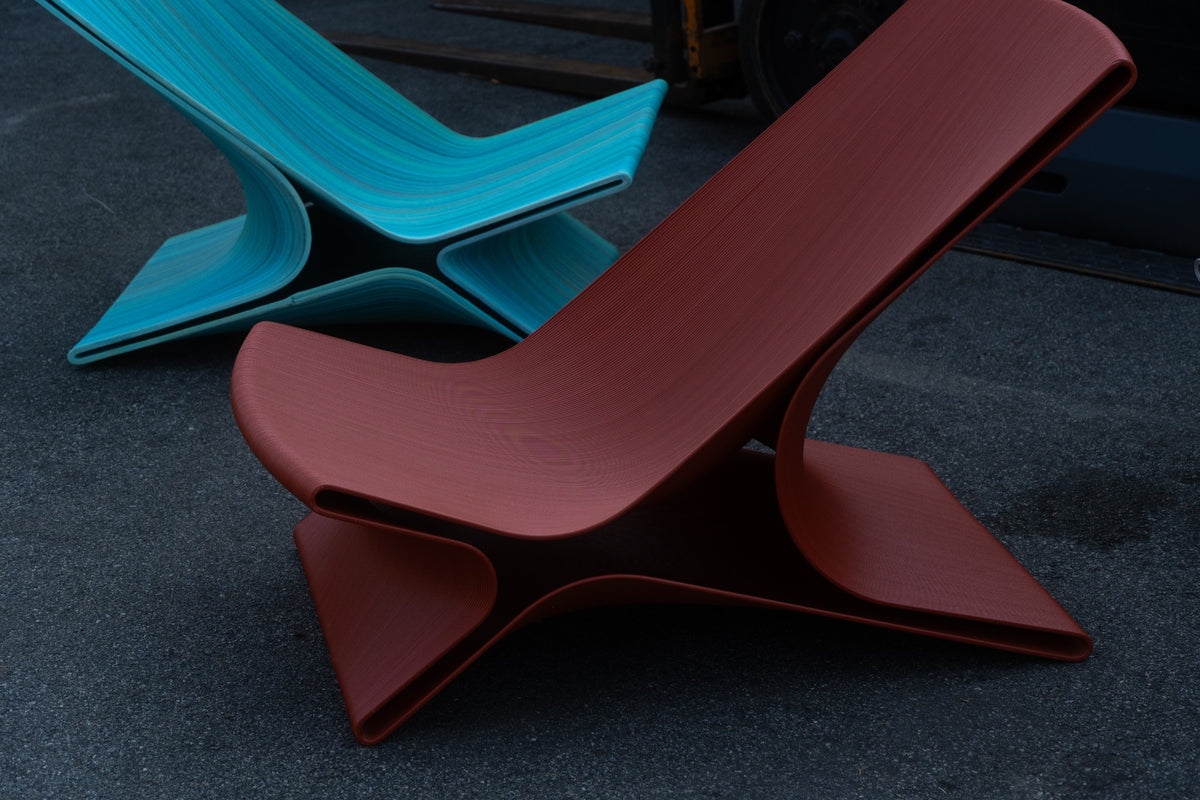
Decibel Made
Products designed to scale.
Product development and low-to-medium-volume repeat production for established brands and design teams, with a direct path from digital model to a repeatable production program.
Explore Decibel MadeThe studio
From digital model
to full scale.
Our New Jersey studio brings design development and robotic large-format additive manufacturing into the same workflow. The team can move between geometry, material tests, prototypes, production, finishing, and assembly without losing the thread of the original idea.
Design leads.
We start with what the object or space needs to become, then choose the process and material strategy around that intent.
Resolve it together.
Geometry, material, production, finish, assembly, logistics, and site conditions stay connected through development.
Make what is needed.
Project-based and made-to-order workflows let production follow a real brief rather than a large speculative inventory.
Sustainability & circularity
Consider the whole life
of the piece.
Our approach starts before production: make for a real need, choose material with intent, resolve the design before the run, and consider maintenance, reuse, repair, adaptation, and recovery while there is still time to design for them.
The research and evidence below keep the context explicit: made-to-order is not a zero-impact claim, recycled content is not the whole environmental story, and recovery depends on the actual material and finished construction.
Sustainability & circularity / Our approach
Thoughtful by design. Considered in production.
Distinctive work should be considered all the way through: what it is made from, how much is produced, how it will be used, and what happens next.
Why it matters / United States / EPA 2018 data
A finished piece should not be the end of its material.
We believe the next generation of furniture should be designed with its next life in mind.
U.S. tons of furniture & furnishings discarded
Entered the U.S. municipal solid waste stream in 2018, after primary use and reuse.
Of that waste was landfilled
Approximately 9.68 million U.S. tons of furniture and furnishings in 2018.
Source: U.S. EPA, Furniture and Furnishings (2018). Values are U.S. short tons, not metric tonnes. The category includes sofas, tables, chairs, and mattresses; it is not limited to commercial furniture. These are historical national figures, not measurements of Decibel projects.
Our response starts with considered quantities and purposeful design. Make a piece worth keeping, consider how it could be adapted or reused, and plan for material recovery before its useful life is over.
Explore the circular-production opportunity →A set of decisions, not a single label
Less excess starts before printing.
01 / Produce for a real need.
Made-to-order and small-batch production align quantities with a project, commission, or collection rather than large stocks of finished pieces.
02 / Choose material with intent.
Consider composition alongside use, exposure, finish, and the requirements of the complete piece.
03 / Resolve before the run.
Digital development and physical samples help review geometry and assembly before committing to production.
04 / Plan beyond installation.
Discuss maintenance, potential repair, adaptation, and reuse while connections and finishes are still being designed.
Made-to-order is a production approach, not a zero-waste or zero-impact claim.
Composition matters
Character, with context.
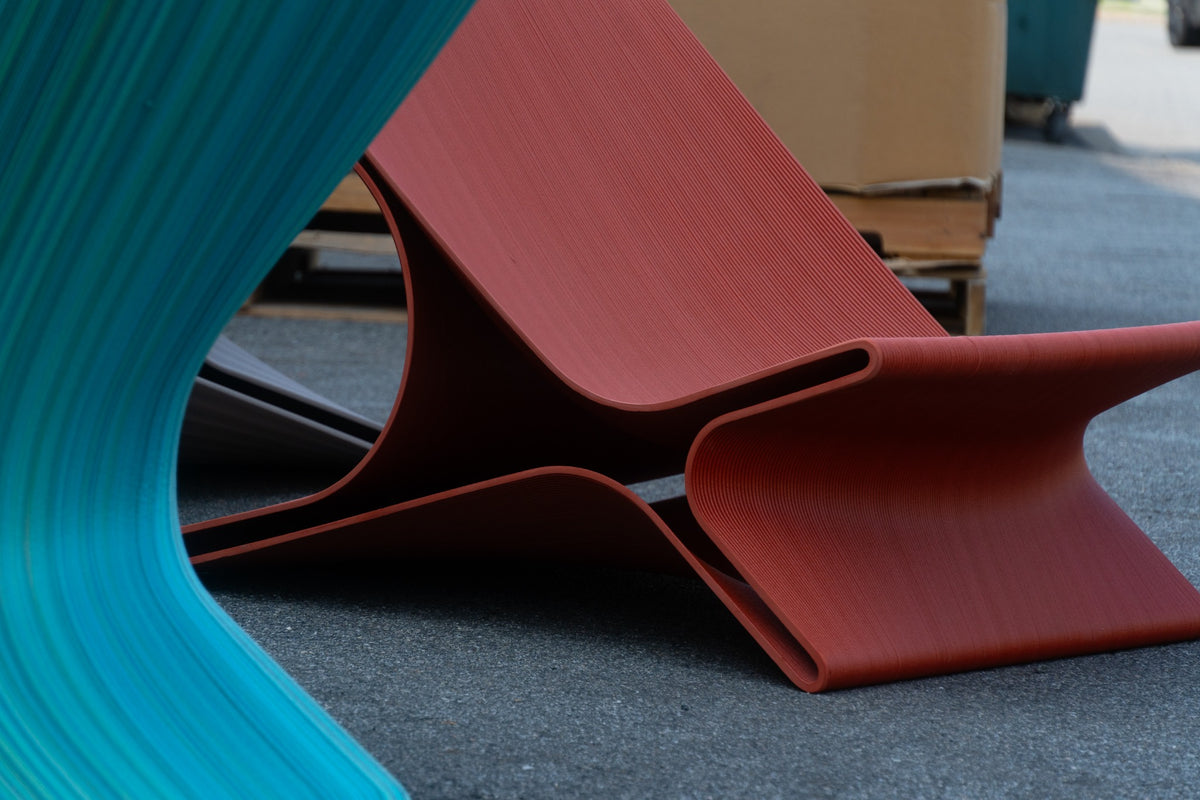
Our material options include recycled PETG and plant-fiber-reinforced biopolymers. Their formulations, additives, finishes, and intended uses differ; a finish name alone is not an environmental profile.
Share recycled-content, sourcing, and documentation requirements at the start. The material library explains the families and color options in detail.
Explore materials & finishes →

Useful life belongs in the brief
Design for the life the piece will have.
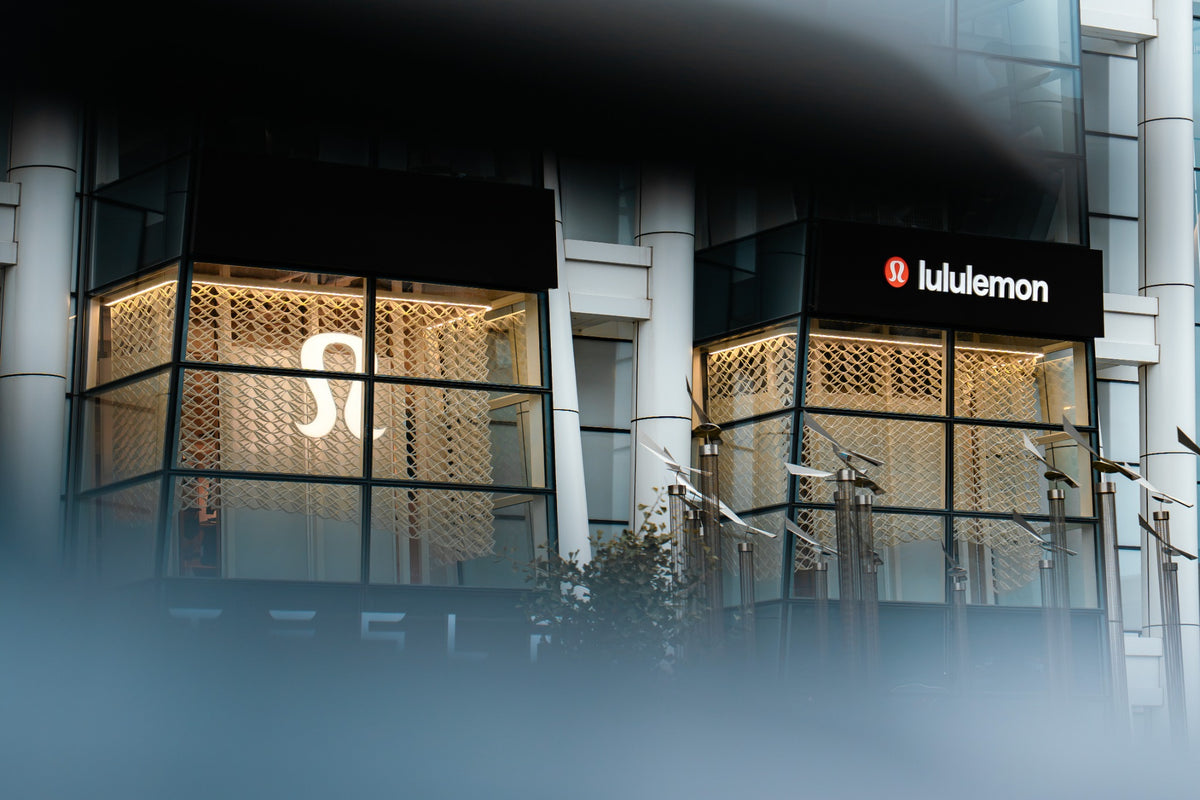
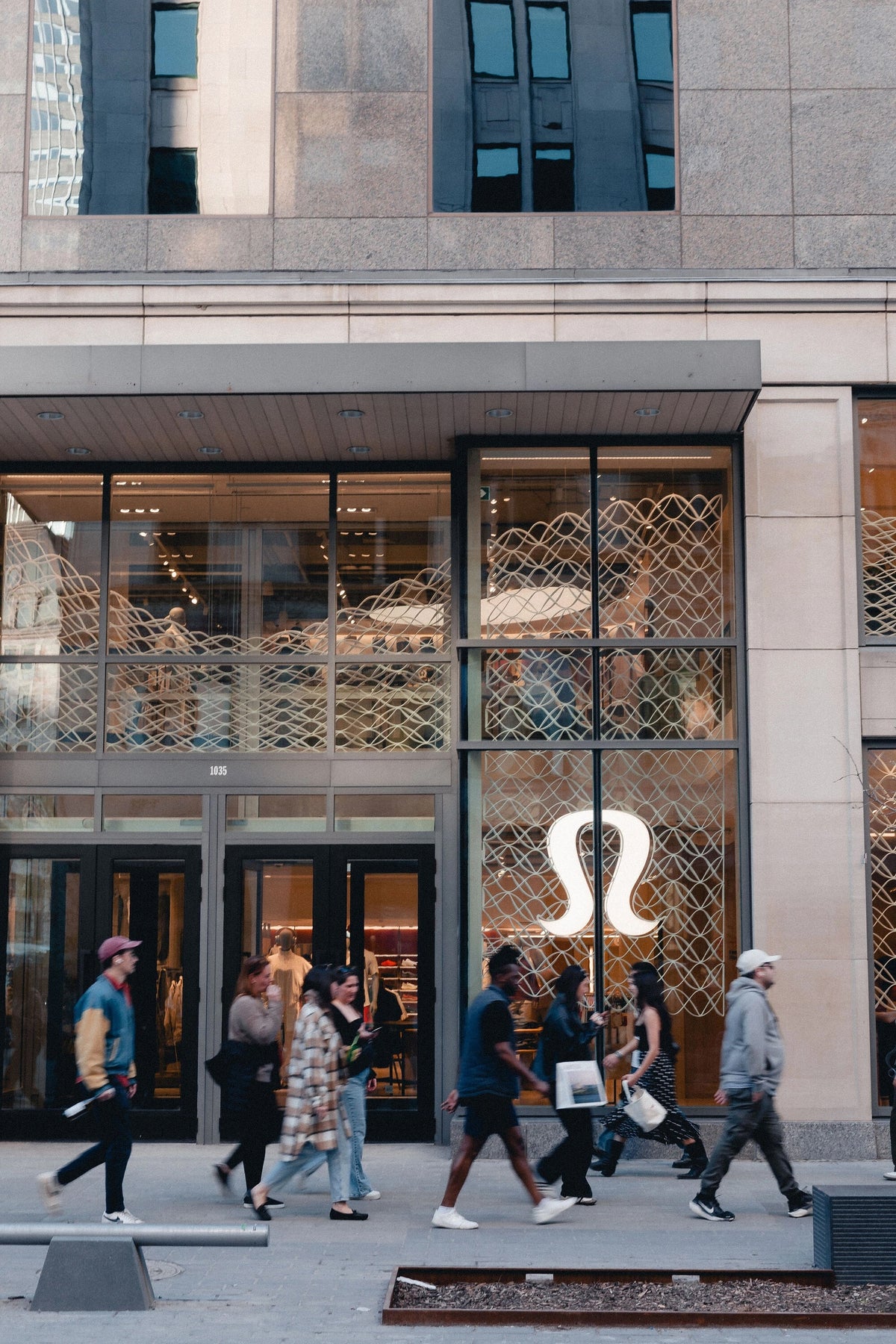
Loading, heat, sunlight, moisture, wear, and cleaning influence material and construction. Boston’s Prudential Center installation shows a material selected for a specific design and setting—not a universal performance promise.
For a temporary installation, consider its next use. For a permanent piece, discuss maintenance, accessible connections, and the options for repair or adaptation.
Explore the Boston installation →Circular production / The next chapter
From printed piece to future feedstock.
Design for a long first life. Plan for what comes next.
Decibel recovery capability: in development.
We are developing this next step. A Decibel take-back and reprocessing service is not available yet.
Large-format additive manufacturing (LFAM) offers a route beyond starting with recycled material. Suitable thermoplastic parts can be ground and prepared as feedstock for another print. Depending on the process, the recovered material may be used as granulate or reprocessed into pellets.
The next object does not have to have the same form. The pathway below explains the opportunity, with material suitability checked before a new design goes into production.
Design & print
Consider material, connections, and the intended life of the piece from the first brief.
Use & reuse
Prioritize continued use, maintenance, repair, or adaptation before material recovery.
Collect & sort
Identify compatible material and separate components through a defined recovery route.
Grind & prepare
Reduce suitable parts to granulate and prepare the feedstock for the chosen printing process.
Test & validate
Check processing behavior and the properties required for the next application.
Print again
Use approved recovered feedstock for a new, suitable design.
Recovery depends on the formulation, finishes, contamination, condition, and processing route. Reprocessing can change material properties; this is not a promise of unlimited cycles or unchanged performance.
Research basis: Korey et al. / ORNL (2023) demonstrated reprinting granulate from used carbon-fiber-reinforced ABS molds. Walker et al. / ORNL (2024) examined recovered machining material for LFAM. These studies support the technical pathway, not validation of every Decibel formulation.
Education, adoption & the road ahead
This is only the beginning.
Our next step is to add material recovery and reprocessing to Decibel's production capabilities. Alongside that development, our focus is helping architects, designers, and brands understand what LFAM makes possible through material exploration, samples, and real projects.
Our ambition is wider, better-informed adoption: distinctive work designed for its first setting, with its next use considered from the beginning. Material eligibility, collection arrangements, and launch timing for the future recovery service are still to be confirmed.
Claims, documentation & recovery
Ask for specifics.
Can I return a Decibel piece for recycling now?
Not yet. Recovery and reprocessing are in development. Eligible materials, collection arrangements, testing requirements, and launch timing are still to be confirmed.
Can you provide environmental documentation?
Share the criteria your project needs. We review what is available for the proposed formulation and identify gaps. Recycled content, certifications, and environmental comparisons require applicable documentation.
Is every finished piece recyclable?
No universal recovery claim applies. Formulation, coatings, attached components, condition, and processing availability affect the options. The circular-production pathway is not a guarantee that every product can be repeatedly reprinted.
Does 3D printing automatically mean lower impact?
No. Material, energy, production, finishing, transport, useful life, and the end-of-life route belong in a project-level assessment. We make no blanket carbon-saving claim.
Selected work
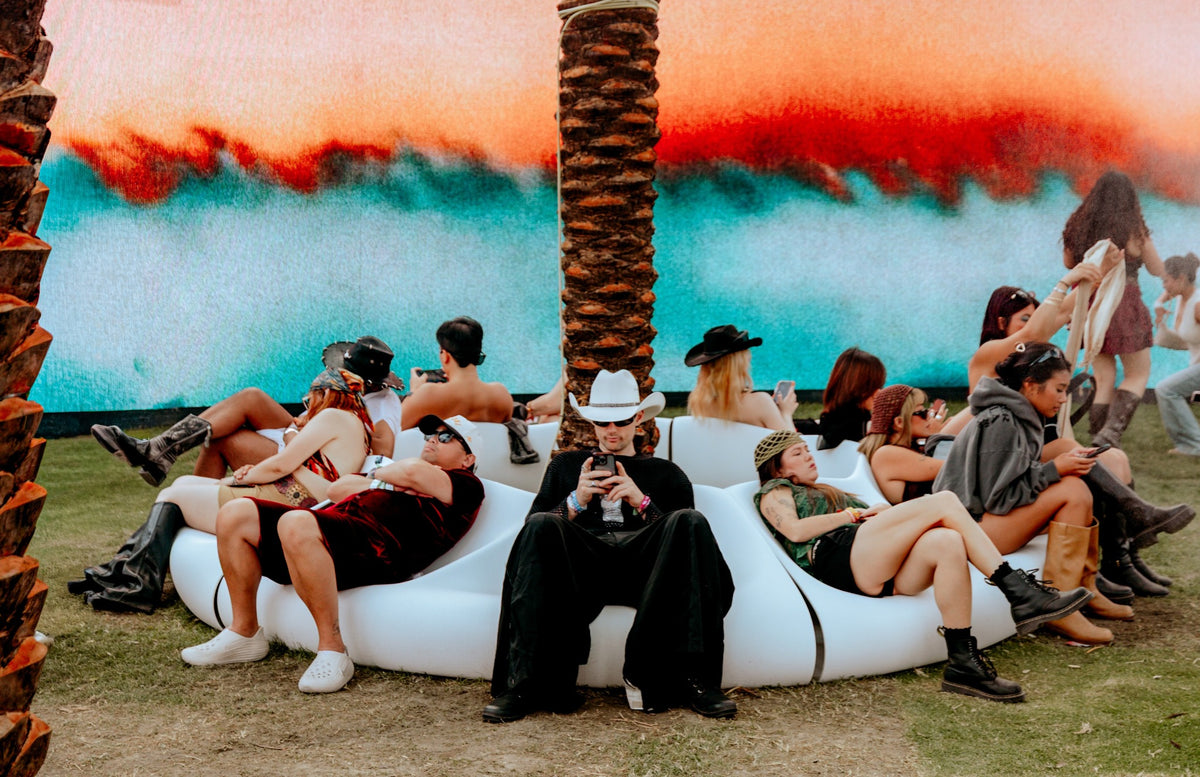
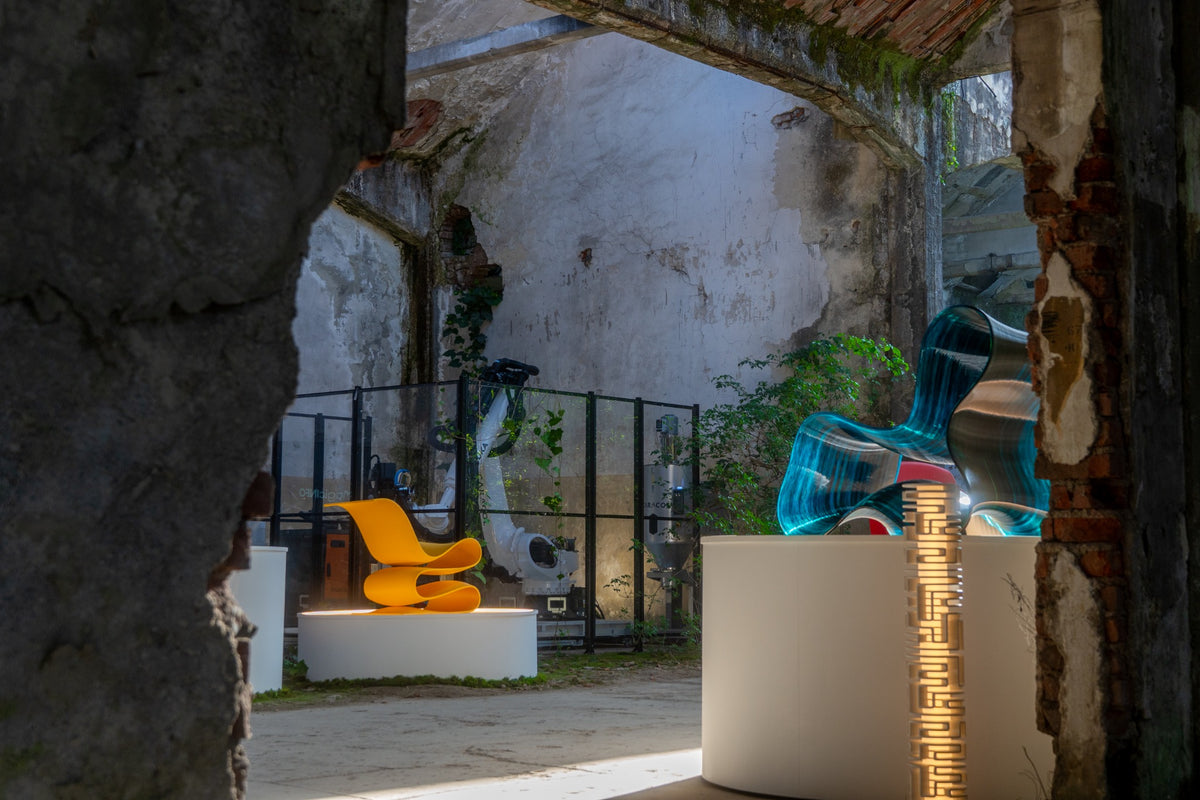
Ideas made physical.
Work with Decibel
Bring us something
worth making.
A sketch, reference, render, model, or developed brief is enough to begin the conversation. We’ll help determine whether the right path is Decibel Built, Decibel Made, or something in between.