
Decibel Built / Site-specific fabrication
Made for the place
it belongs.
Furniture, architectural elements, and installations developed around a specific site, brand, or experience. Decibel connects design development, robotic fabrication, finishing, logistics, and installation into one build strategy.


Project-led by design
The site is part
of the design.
Built begins with context: circulation, sightlines, access, schedule, assembly, material, and brand language. We develop the form and the way it will actually be made at the same time.
The result should feel inevitable in the space, even when the path to making it was anything but ordinary.
What we build
From object to architecture.
Different scales, same approach: preserve the design intent, then resolve the material, production, and site conditions around it.
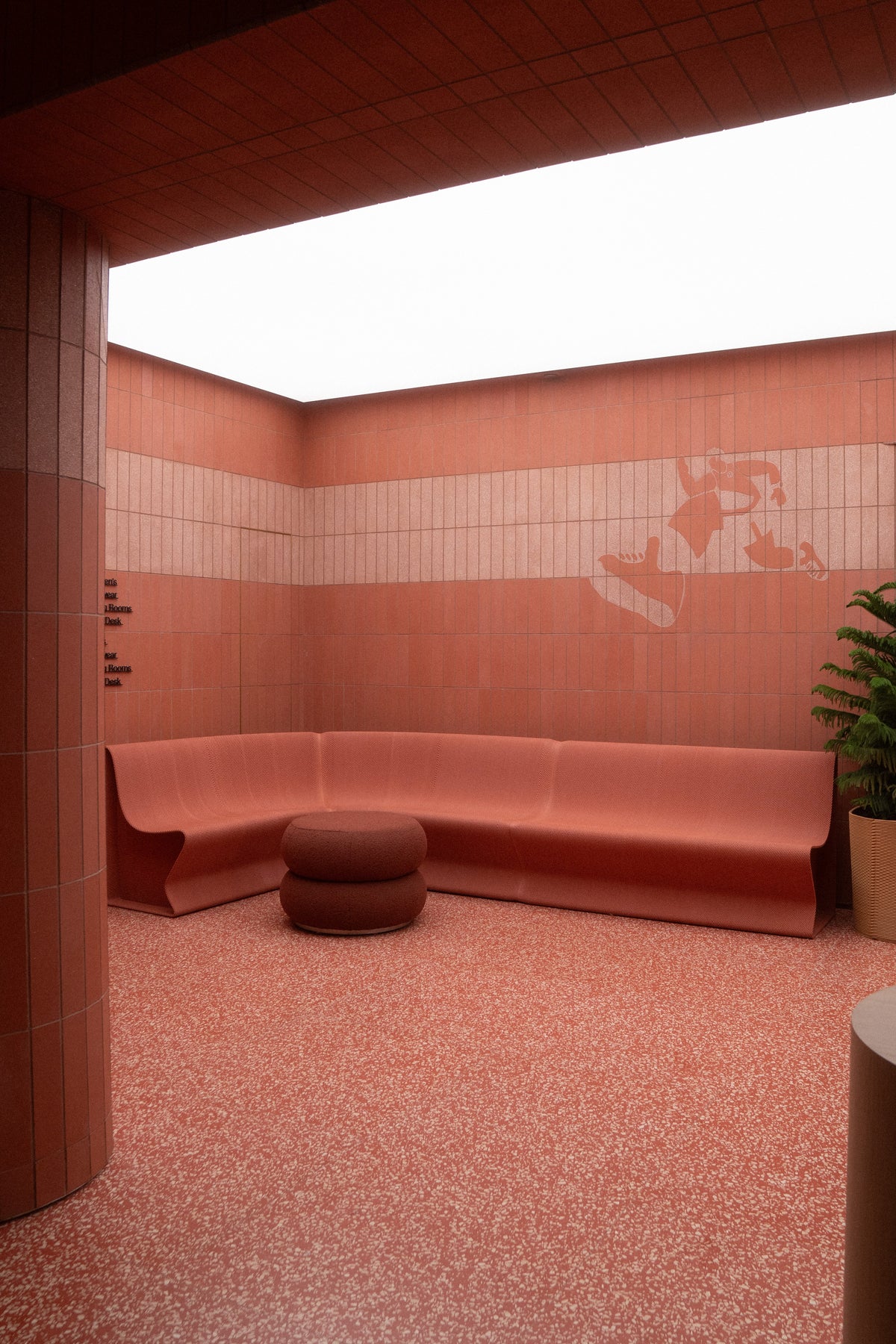
Furniture & objects
Furniture that belongs to the room.
Seating, tables, fixtures, and sculptural pieces developed around the space, use case, and material language.
Explore the SoHo project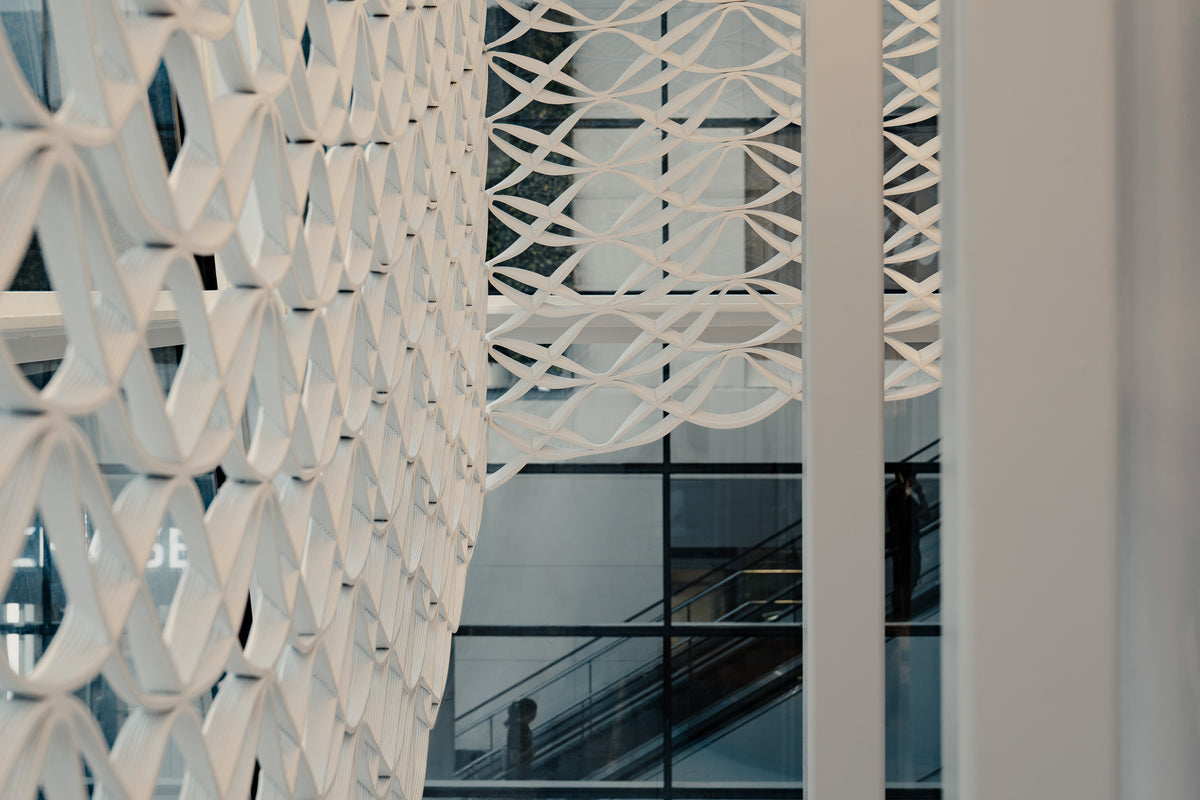
Architecture & surfaces
Surfaces with architectural consequence.
Screens, cladding, mesh, dividers, and large-format features resolved as buildable systems with connections and installation in mind.
Explore architecture
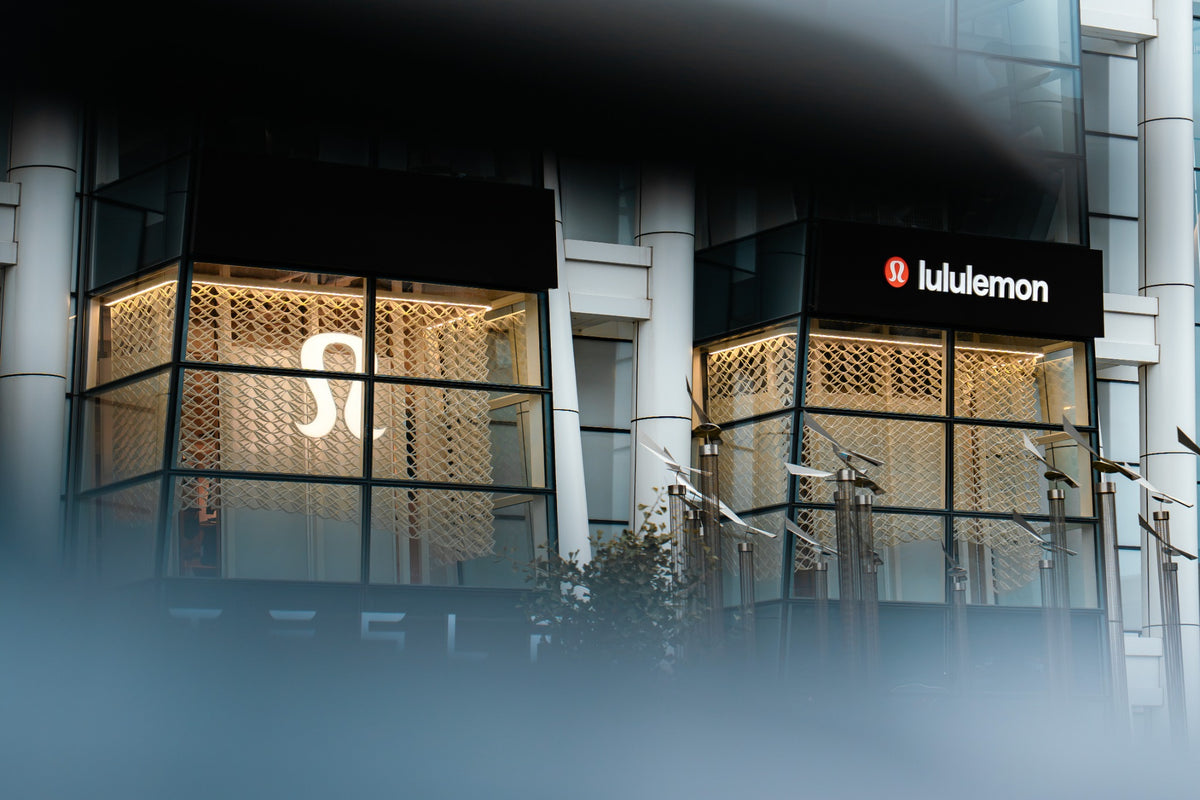
Brand environments
Objects that carry the identity.
Pop-ups, activations, retail environments, and event installations where furniture and spatial elements become part of the brand experience.
Explore retail & activations
Featured project / SKYLRK at Coachella
A social landscape,
delivered on a festival schedule.
Thirty custom benches transformed SKYLRK’s OASIS into a gathering place beneath the palms. Decibel developed the modular system, robotic production strategy, packing, and deployment around the event timeline—preserving the continuous form while making it practical to produce and move.
- 01
- 30 custom benches
- 02
- Two-week production run
- 03
- Modular for transport and reuse
How we work
One team from
geometry to site.
Geometry, material, production logic, finishing, packing, and site conditions stay in the same conversation so the design survives the path from rendering to installation.
Why LFAM makes a difference
Robotic LFAM
Complexity without the usual tooling burden.
Large, complex parts can move directly from a digital model into production without a shape-specific mold. That makes LFAM especially useful when geometry, variation, scale, or project quantity would make conventional tooling inefficient.
-
01
Define
Align on the site, use case, scale, schedule, and what the project needs to achieve.
-
02
Develop
Resolve geometry, material direction, panelization, connections, and production logic together.
-
03
Validate
Use samples and prototypes to test the details that matter before full production.
-
04
Produce
Coordinate robotic fabrication, machining, finishing, assembly, and quality control.
-
05
Deliver
Plan packing, transport, site access, installation, and the final handoff around the real space.
Selected work
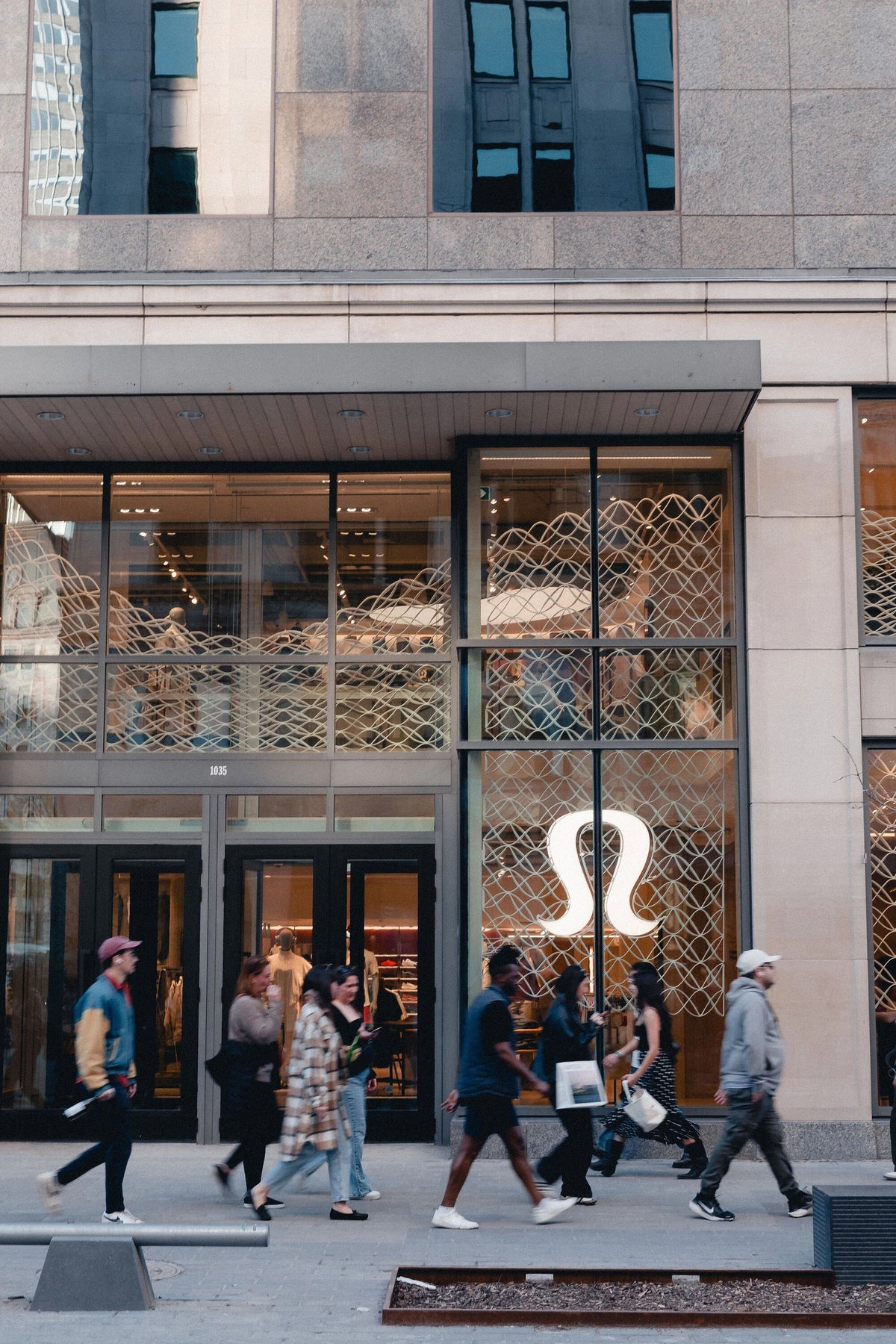
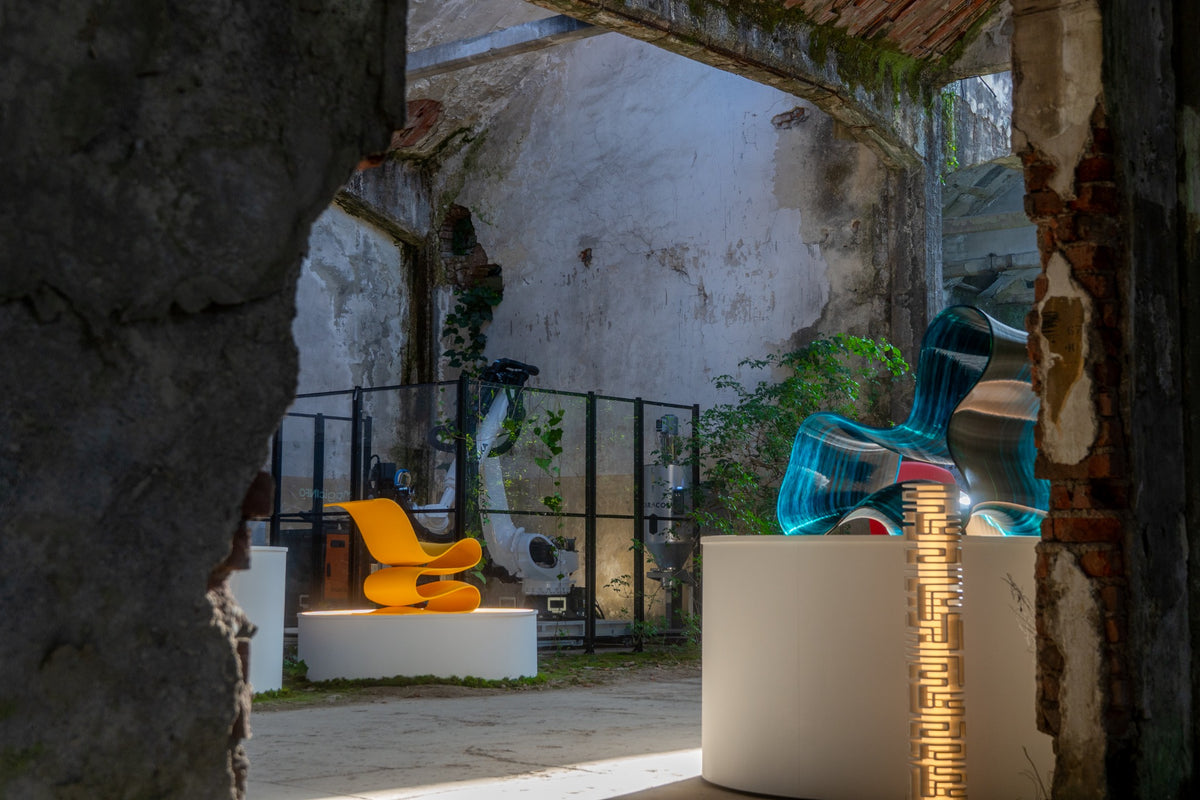
Different briefs. Different solutions.
Beyond the printed form
The build does not end
at the robot.
Finishing, assembly, logistics, installation, and future repeat production are considered as part of the project—not as afterthoughts.
Finish & assembly
Sanding, coating, painting, machining, upholstery, hardware, and assembly are coordinated around the finished object.
Logistics & installation
Packing, transport, site access, rigging, and installation sequencing are developed around the actual project conditions.
From project to product
When a site-specific design has a life beyond one location, Decibel Made develops the specification, variants, and repeat-production plan.
Explore Decibel MadeStart a project
Bring us the intent.
We’ll build the path.
A sketch, render, reference, or developed model is enough to start. Share the site, scale, timing, and what needs to be true when it is finished.